Water damage service
Gainesville Rapid Water Damage: complete water damage restoration in Gainesville, FL
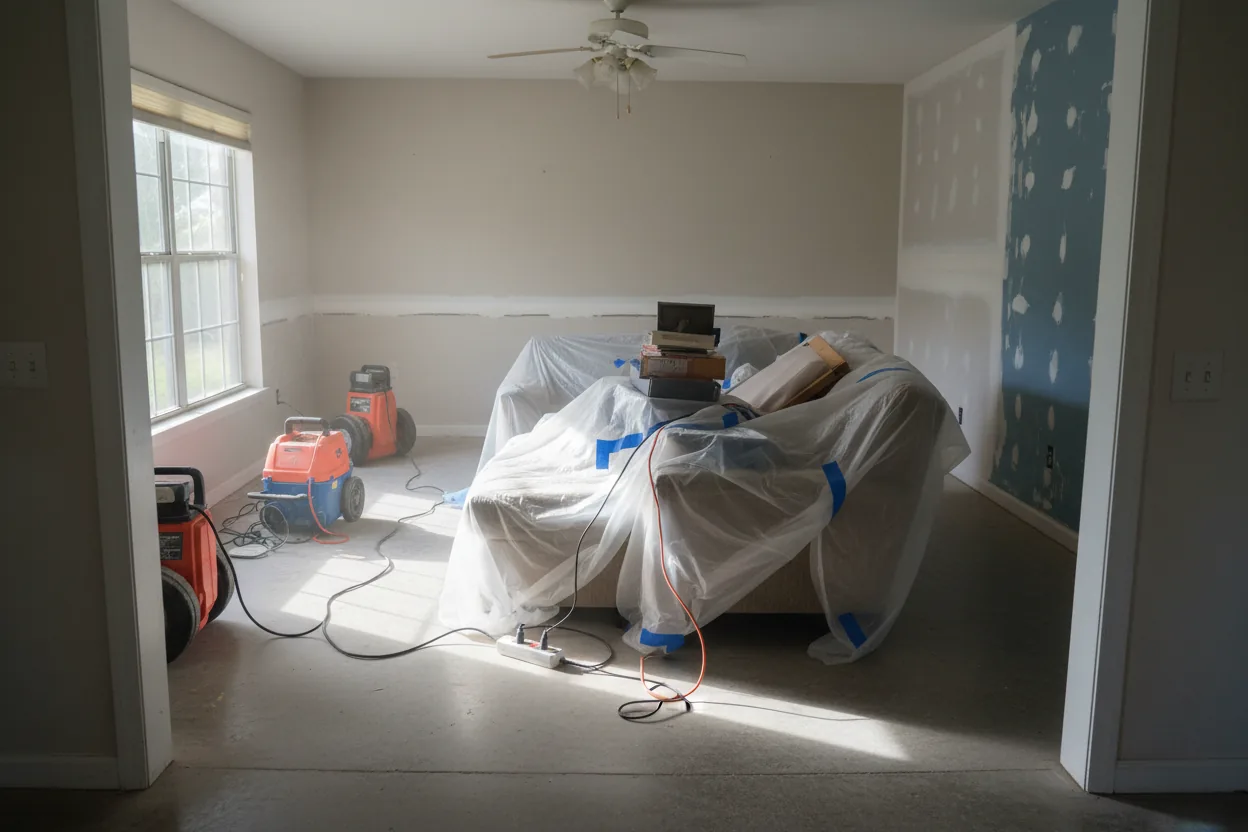
Gainesville Rapid Water Damage runs water damage restoration as one continuous job, from the first extraction through the documented dry reading and the rebuild that follows. Restoration is the whole sequence rather than any single step, and the reason it belongs to one company is accountability: when drying and reconstruction are split between two firms, the moisture reading and the finished wall stop being anyone's shared responsibility.
Call (352) 450-6122 Same-day response* across Gainesville and Alachua County
This page describes the full sequence. If you know you only need one part of it, the individual service pages go deeper on each.
Managing restoration as a single job
One scope, one set of moisture logs, one crew responsible for the outcome. The alternative is common in this industry and it is where jobs go wrong: a mitigation company dries the structure, leaves, and a separate contractor closes the wall weeks later without ever seeing a reading.
Restoring residential water damage
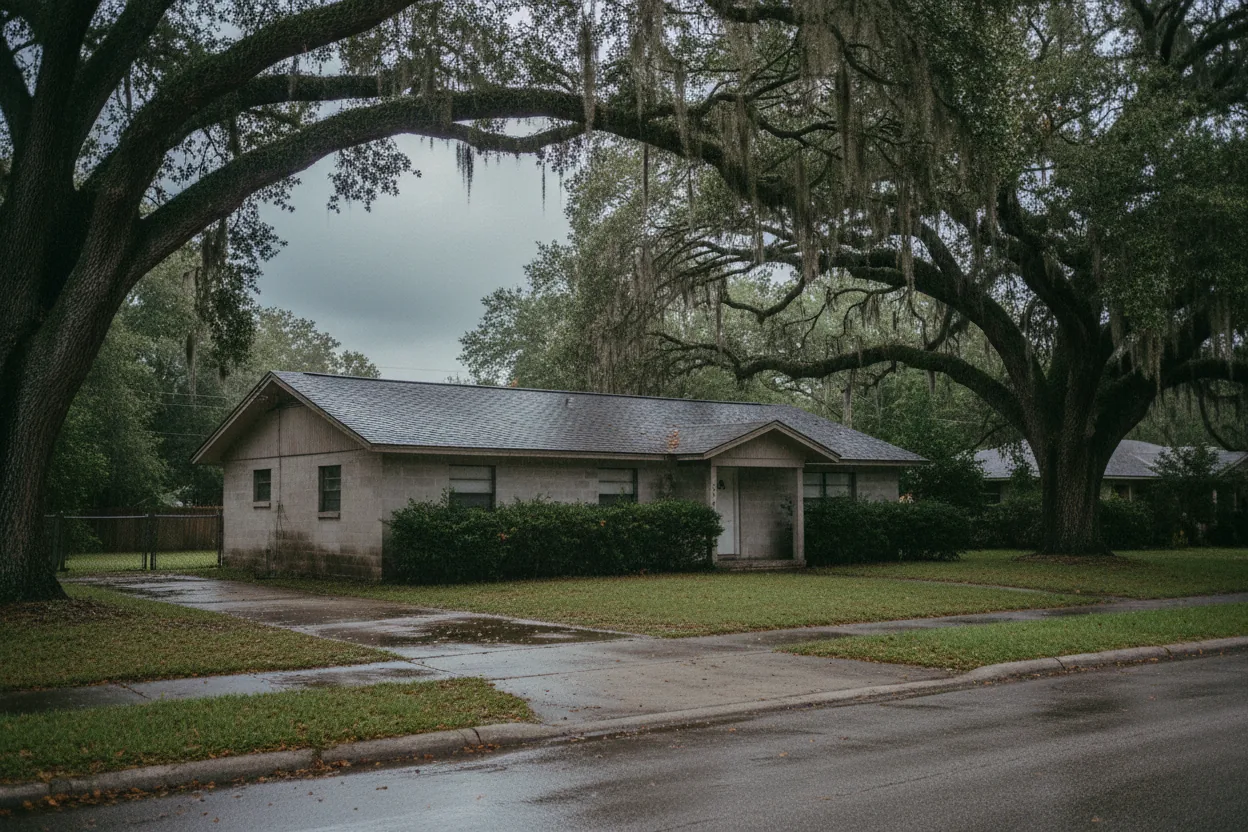
Single-family homes, condominiums and student rentals across Gainesville, including the older housing stock near the university where cast iron drains and original supply line are still in service.
Restoring light commercial water damage
Offices, retail units and small multi-tenant buildings, where the additional problem is usually continuing to operate while part of the space is under containment.
Restoring after a covered insurance loss
Documented from the first visit in the format adjusters expect, so the scope you are paid for matches the scope actually performed.
Verifying the structure is genuinely dry
The step that separates a finished restoration from a repeated one. Material that feels dry to the hand routinely still reads wet on a meter, and closing a wall over it is how mold appears behind new drywall six weeks later.
Daily moisture logging
Readings are taken and recorded each day against a dry standard from unaffected material in the same building, not a generic number.
Documented completion
You receive the readings. If a question comes up later, with your insurer or a buyer, the dry-out is evidenced rather than asserted.
Step by step
The restoration sequence
- Assessment and moisture mapping. The full wet footprint is found and the water category is determined.
- Extraction. Standing and absorbed water is removed before any demolition decision.
- Controlled demolition, only where needed. Material that cannot be dried is cut back to a defensible line.
- Structural drying. Air movers and dehumidifiers run against daily logged readings.
- Verification. Equipment comes out when material reads dry against the in-building standard.
- Reconstruction. Drywall, insulation, trim, paint and flooring are returned to pre-loss condition.
Straight answers on price
What full restoration costs in Gainesville
Full restoration is priced in two halves: mitigation, which is driven by equipment days and wet area, and reconstruction, which is driven by finishes. Most of the variance sits in the second half.
| What drives the price | Why it moves the number |
|---|---|
| Mitigation days | Equipment is billed per unit per day, and Gainesville humidity extends dry times relative to national averages for the same volume of water. |
| Extent of demolition | Every square foot of drywall or flooring removed becomes a square foot to rebuild, so the drying decision drives the reconstruction cost. |
| Finish level | Builder-grade carpet and a painted wall rebuild cheaply. Engineered hardwood, tile with a pattern, or custom trim in a historic home do not. |
| Matching existing material | Discontinued flooring or a plaster wall in an older home can make a partial repair more expensive than a larger replacement. |
| Contents handling | Moving, storing and returning furniture and belongings is separate from structural work and is priced separately. |
A covered loss usually pays mitigation and reconstruction under the same claim but on different schedules. We keep the scope and the moisture documentation in one file so the two halves reconcile, which is where disputes normally arise.
Questions people ask
Questions people ask
How long does a full restoration take start to finish?
Mitigation typically runs three to five days of active drying. Reconstruction depends entirely on what was removed and on material lead times: a single room can be back in a week, while a whole-floor flooring replacement can run several weeks waiting on product.
Can I stay in the house during restoration?
Usually yes for a contained single-room loss. For category three water, a large affected area, or work that takes out a kitchen or the only bathroom, staying is often impractical. We tell you honestly at the assessment rather than after equipment is running.
Why not use a cheaper mitigation-only company?
You can, and for a small clean-water loss it may be fine. The risk is the handoff: if the drying company leaves and a separate contractor closes the wall without seeing a moisture reading, nobody owns the outcome if moisture was still present.
Do you handle the contents as well as the building?
We handle structural drying and reconstruction, and we move and protect contents as part of the work. Specialist contents restoration, for example for documents or textiles, is referred to a firm that does only that.
Keep reading
Related
Emergency 24/7 water damage
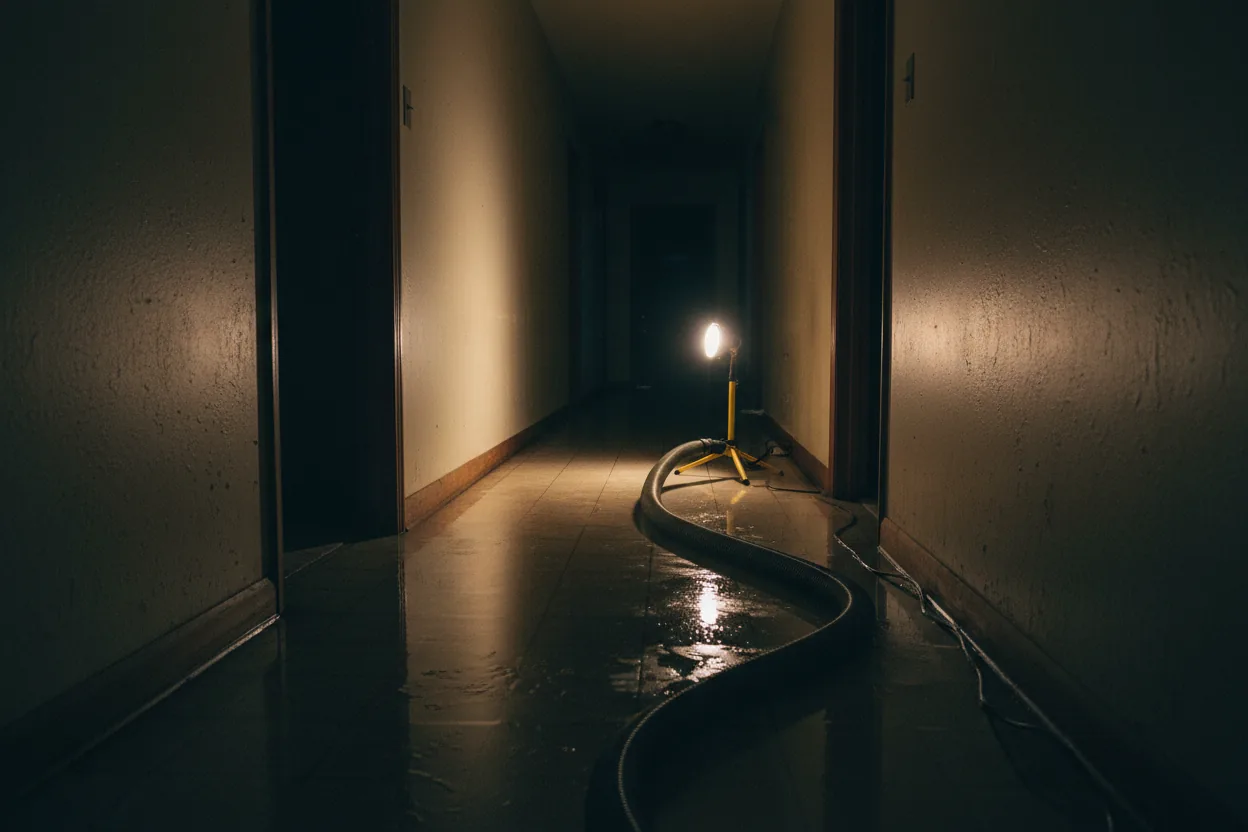
The first hour decides how much of your home comes out. We answer 24 hours a day, every day.
Structural drying
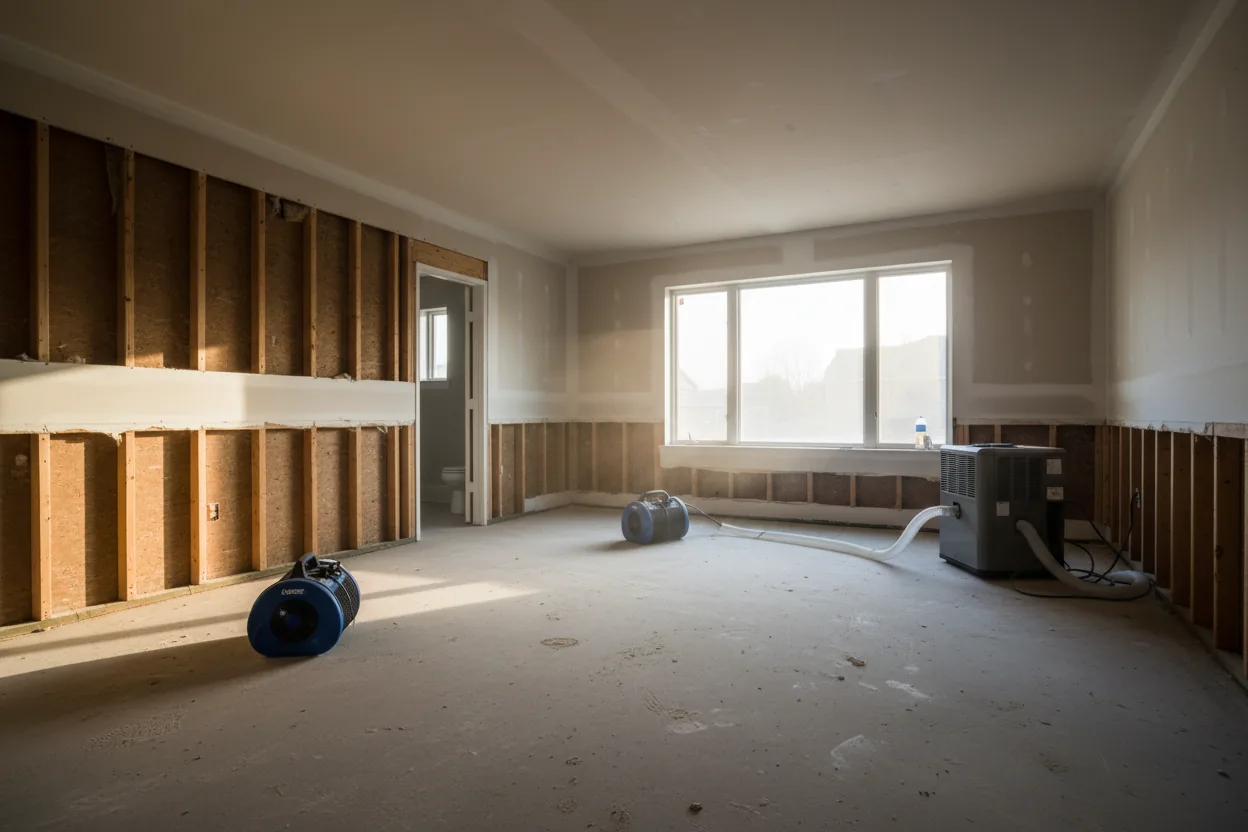
Gainesville Rapid Water Damage dries Gainesville buildings to a documented moisture reading using air movers, dehumidifiers and...
Water damage repair and reconstruction
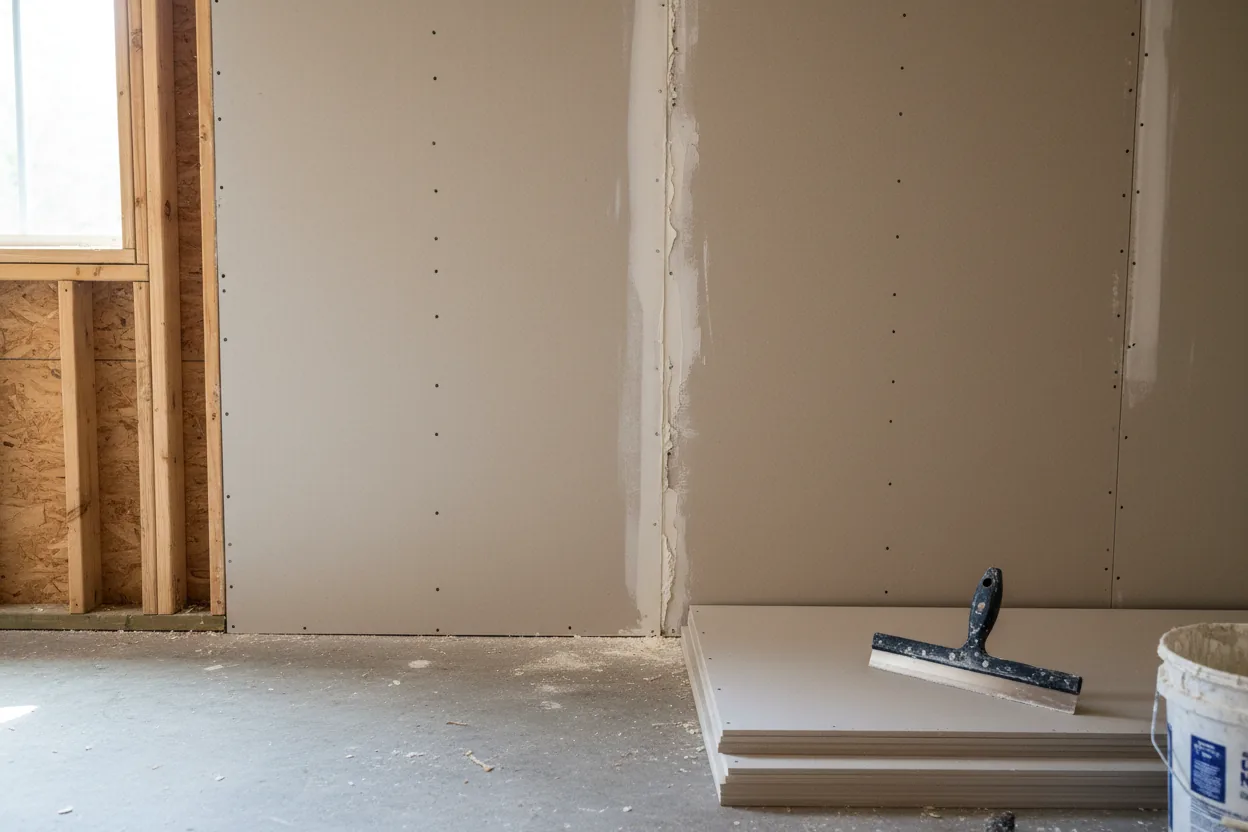
Gainesville Rapid Water Damage rebuilds what the water and the mitigation removed, from drywall and trim through paint and...
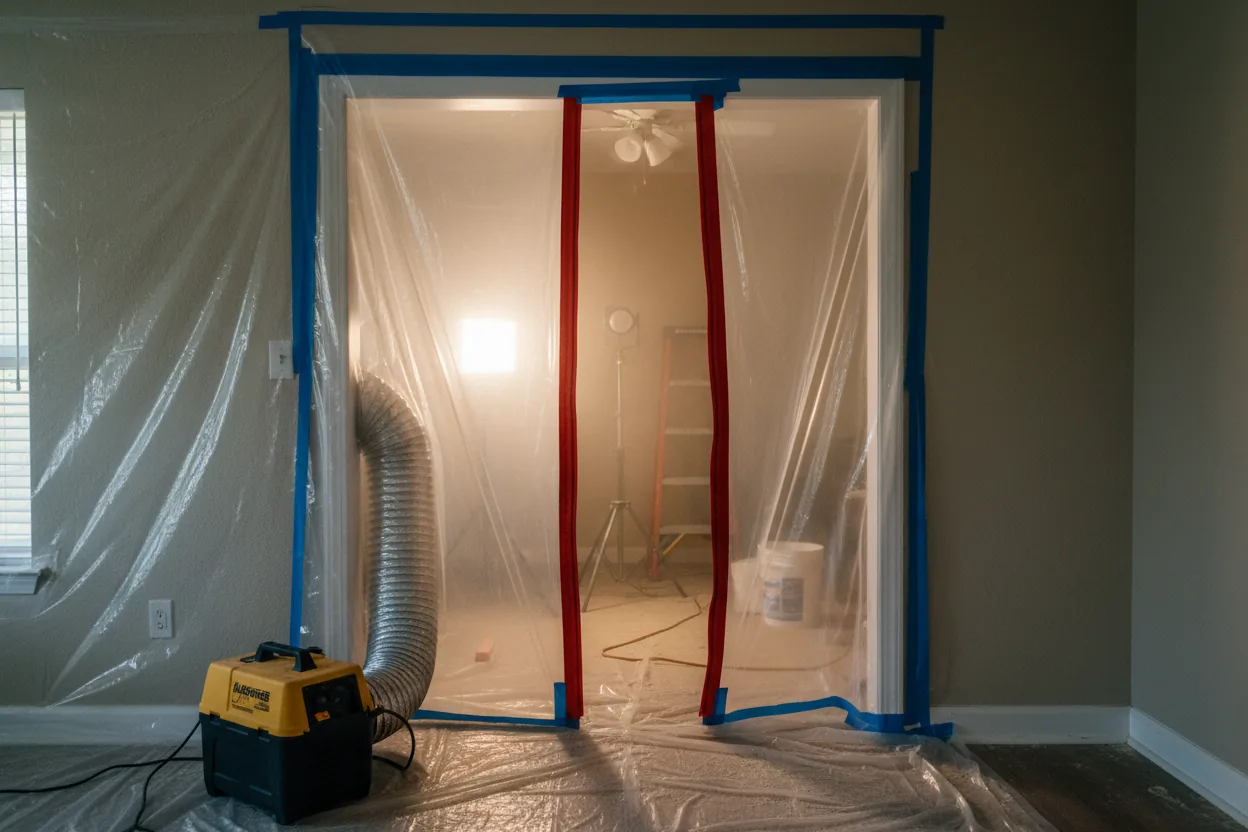
Mold remediation
Gainesville Rapid Water Damage remediates mold growth that follows water damage in Gainesville and Alachua County buildings....
Water still moving? Call now.
Every hour wet material stays wet, the repair gets bigger. Gainesville Rapid Water Damage answers 24/7 and books a free on-site assessment across Gainesville and Alachua County.
Call (352) 450-6122 Same-day response*