Water damage service
Gainesville Rapid Water Damage: wet insulation removal in Gainesville, FL
Gainesville Rapid Water Damage removes saturated insulation from Gainesville attics, walls and floor systems. Wet insulation is one of the few materials in a water loss where the decision is nearly automatic: it does not dry usefully, it does not recover its thermal performance, and it holds moisture against the framing and drywall it touches for as long as it stays in place.
Call (352) 450-6122 Same-day response* across Gainesville and Alachua County
In a Gainesville summer that matters twice over. Attic temperatures here routinely exceed 130 degrees, and wet insulation in that environment is an efficient mold incubator sitting directly above your ceiling.
Removing insulation by type
Each insulation type fails differently when wet, and each is removed differently.
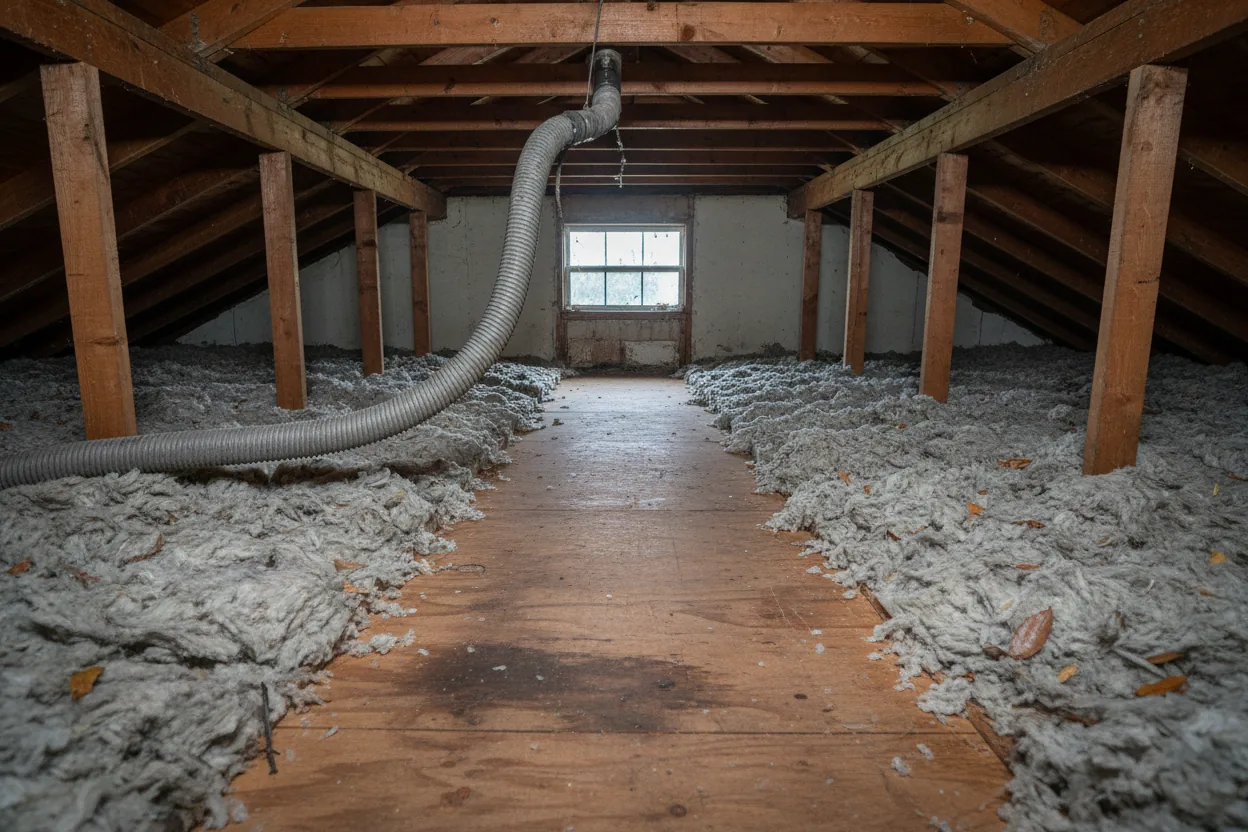
Removing wet blown-in insulation
Cellulose and loose-fill fibreglass mat down and hold water when soaked. Removal is by vacuum, which is the only practical way to clear an attic floor.
Removing wet batt insulation
Fibreglass batts in walls and floor systems sag and fall once saturated, and lose loft permanently. They are bagged and removed by hand.
Assessing spray foam
Closed-cell foam does not absorb water the way fibre insulation does, so it is often retained. The question with foam is whether water is trapped behind it against the sheathing.
Replacing to current standards
Replacement is an opportunity to correct depth. Many older Gainesville attics carry far less insulation than current recommendations for this climate zone.
Understanding why wet insulation is not dried
This is the most common question on this service, and the answer is about performance rather than about moisture alone.
R-value does not come back
Insulation works by trapping still air in its loft. Once saturated, fibre insulation compresses and does not recover that structure, so thermal performance is permanently reduced even after it dries.
It holds moisture against other materials
Wet insulation sitting against ceiling drywall or wall framing keeps those materials wet far longer than they would be otherwise, which is what turns a small leak into a remediation job.
Step by step
How insulation removal runs
- Assess the wet extent in the attic. Water spreads across an attic floor further than the ceiling stain below suggests.
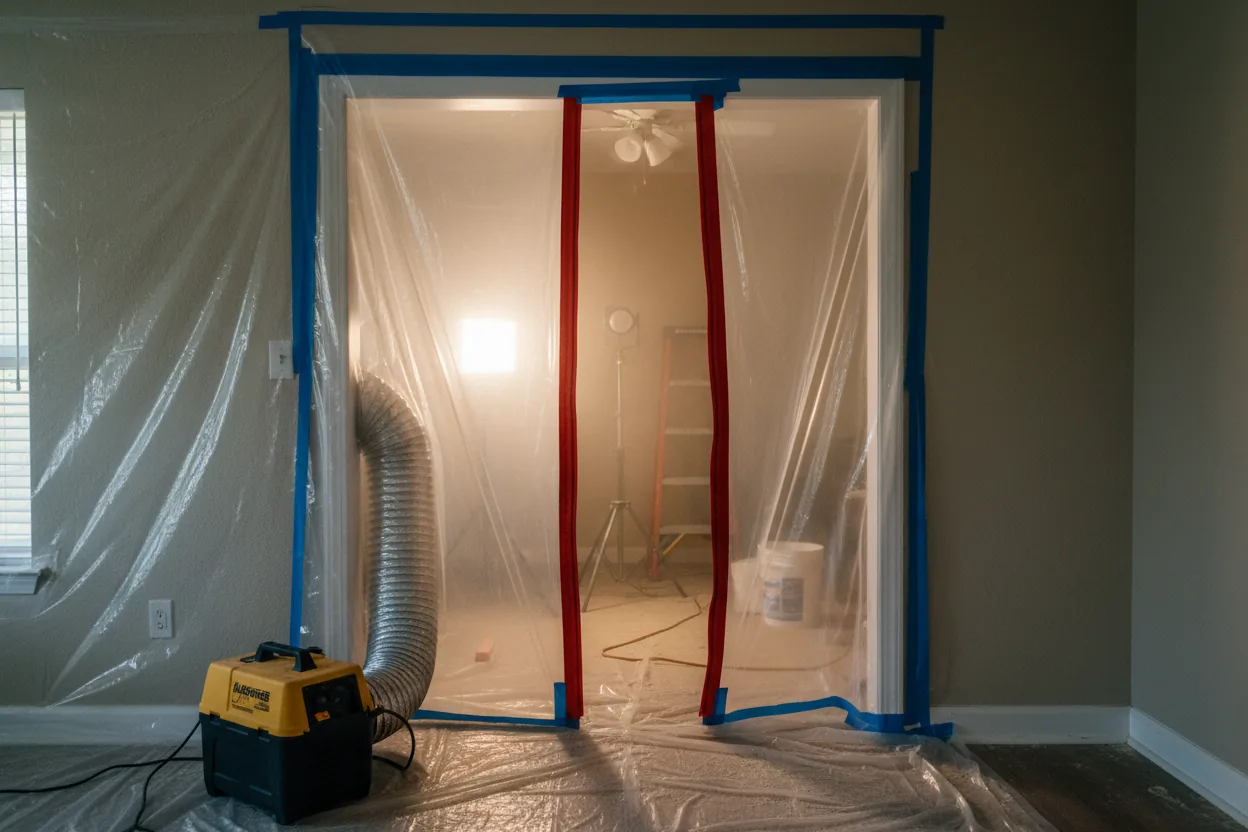
- Contain and protect below. The living space is protected before any attic work starts, since removal is dusty.
- Vacuum or bag the material. Blown-in is vacuumed out, batts are bagged by hand and removed.
- Dry the exposed deck and framing. With insulation gone, the ceiling drywall and framing dry from both sides and can be read directly.
- Replace once dry. New insulation goes in after readings confirm dry, at correct depth for the climate zone.
Straight answers on price
What insulation removal and replacement costs
Priced by area. Attic work in Florida carries a labour premium for heat, and removal and replacement are usually quoted as one number.
| What drives the price | Why it moves the number |
|---|---|
| Area affected | Attic insulation is removed by square footage, and the wet area is usually larger than the ceiling damage below it. |
| Insulation type | Vacuuming blown-in is faster per square foot than hand-bagging batts, though blown-in usually covers a larger area. |
| Attic access and height | Low-clearance attics and difficult hatch access slow the work substantially and require more crew rotation in summer heat. |
| Replacement depth | Bringing an under-insulated attic up to current recommended depth costs more than replacing like for like, and lowers cooling costs afterwards. |
| Season | Summer attic work in Gainesville requires shorter crew rotations for safety, which affects the schedule more than the price. |
Insulation removal and replacement is normally covered as part of a covered water loss. Adjusters usually pay like-for-like replacement, so upgrading depth beyond what was there is typically an out-of-pocket difference worth considering while the attic is already open.
Questions people ask
Questions people ask
Can wet insulation just be dried out?
Not usefully. Fibre insulation works by trapping still air in its loft, and once it is saturated and compressed that structure does not recover. It will eventually dry, but at a permanently reduced R-value, while holding moisture against your framing in the meantime.
How do I know if my attic insulation got wet?
A ceiling stain below is the obvious sign, but attic insulation can be wet over a wider area than the ceiling shows. An attic inspection with a meter is the reliable check, and it is part of the free assessment rather than an extra.
Is this a good time to add more insulation?
Usually yes. Many older Gainesville attics carry noticeably less insulation than current recommendations for this climate zone, and the incremental cost of extra depth while the attic is already open and clear is much lower than doing it as a standalone job.
Does removing insulation make a mess in the house?
It can if done carelessly, which is why the living space is protected and contained before attic work starts. Blown-in removal in particular is vacuumed out through hose rather than carried down through the house.
Keep reading
Related
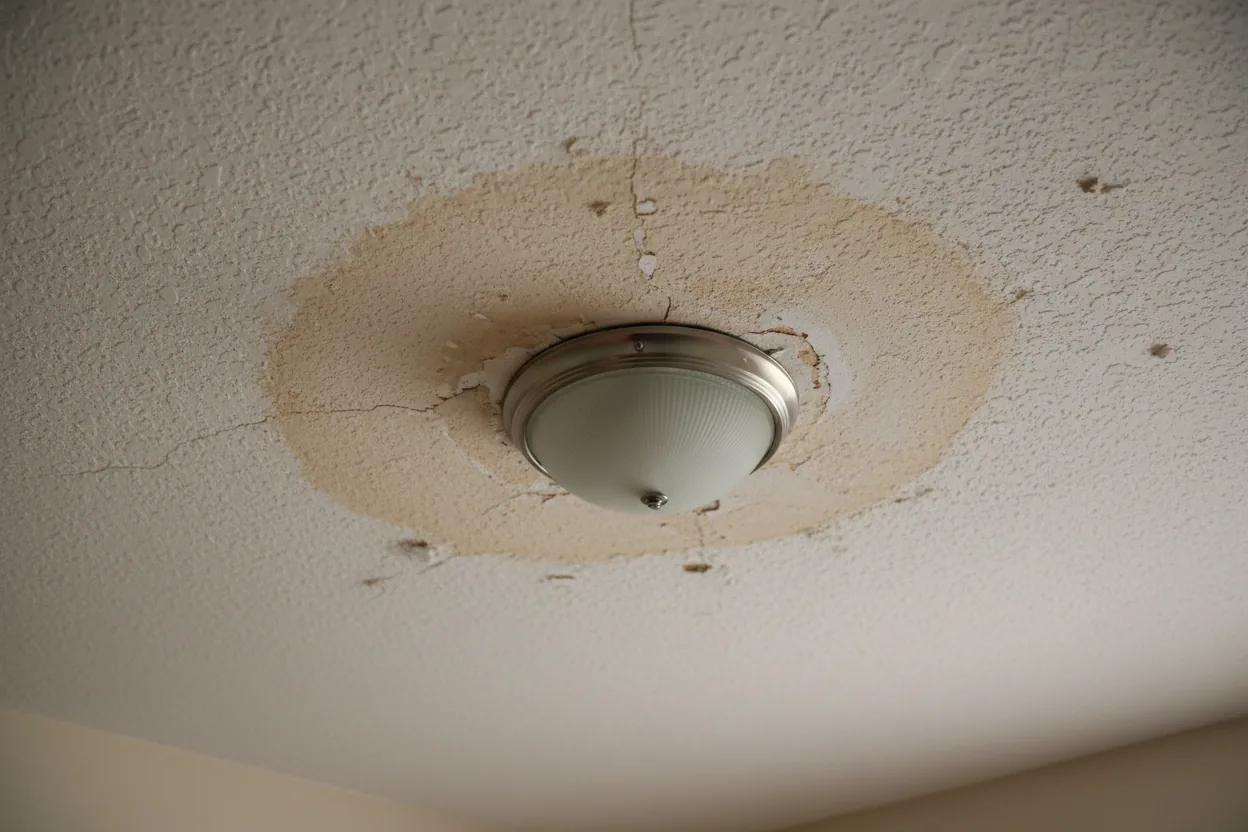
Ceiling water damage
Gainesville Rapid Water Damage finds and dries the source behind ceiling water damage in Gainesville homes, which is almost...
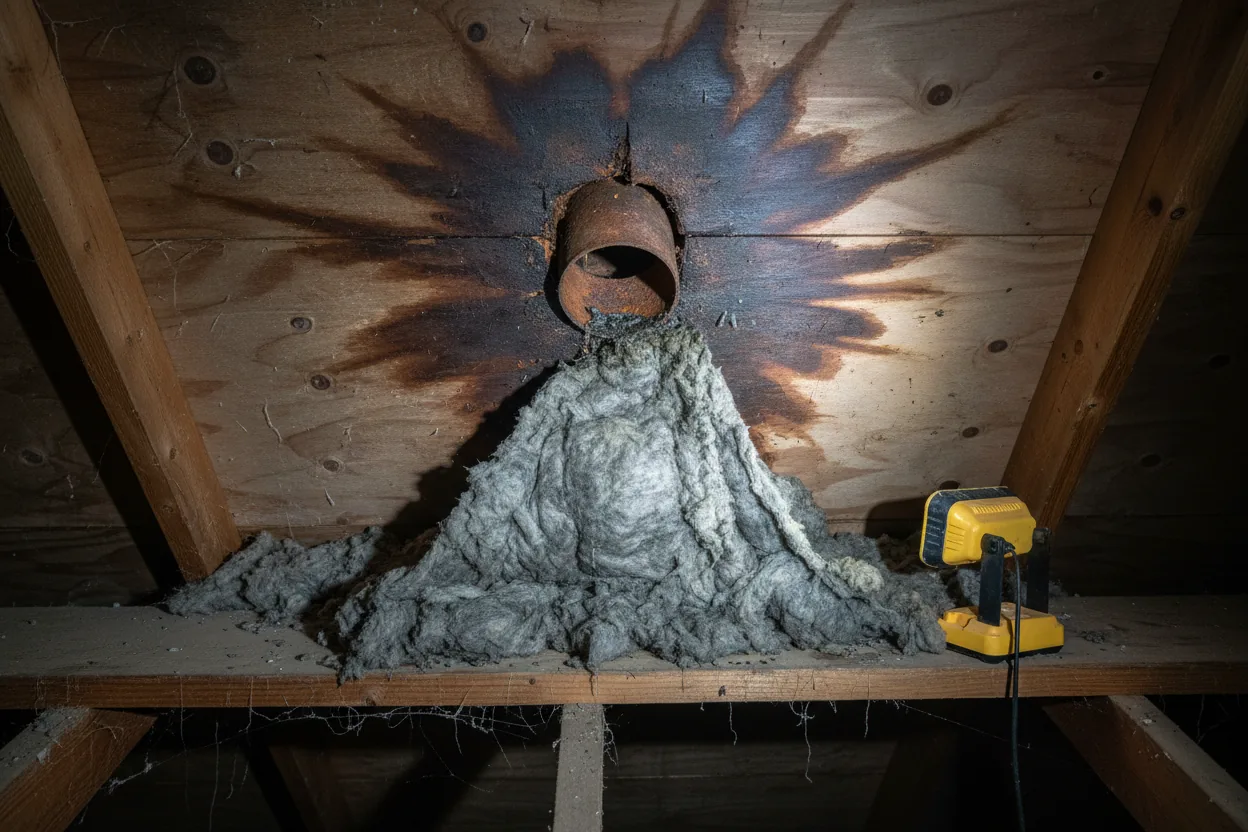
Roof leak water damage
Gainesville Rapid Water Damage dries and repairs the interior damage caused by roof leaks across Gainesville and Alachua County....
Mold remediation
Gainesville Rapid Water Damage remediates mold growth that follows water damage in Gainesville and Alachua County buildings....
Structural drying
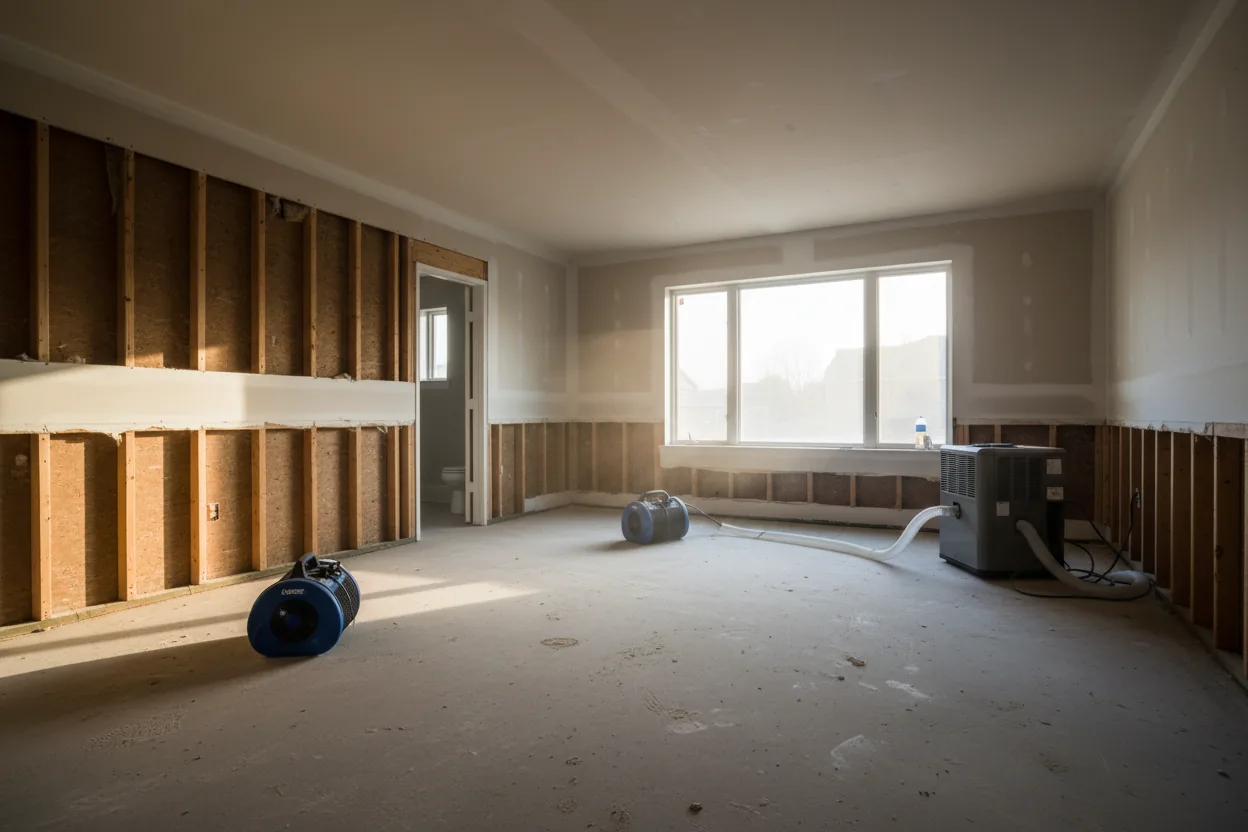
Gainesville Rapid Water Damage dries Gainesville buildings to a documented moisture reading using air movers, dehumidifiers and...
Water still moving? Call now.
Every hour wet material stays wet, the repair gets bigger. Gainesville Rapid Water Damage answers 24/7 and books a free on-site assessment across Gainesville and Alachua County.
Call (352) 450-6122 Same-day response*