Water damage service
Gainesville Rapid Water Damage: wet drywall removal in Gainesville, FL
Gainesville Rapid Water Damage removes saturated drywall from Gainesville buildings with controlled cuts back to genuinely dry material. Drywall is gypsum between paper, and both wick moisture upward well past the visible water line, which is why the cut height is a measured decision rather than an eyeball one.
Call (352) 450-6122 Same-day response* across Gainesville and Alachua County
Removal is not a failure of the drying process. It is what happens when material has been wet long enough that it will not return to a dry reading, and doing it early is far cheaper than running equipment for a week and removing it anyway.
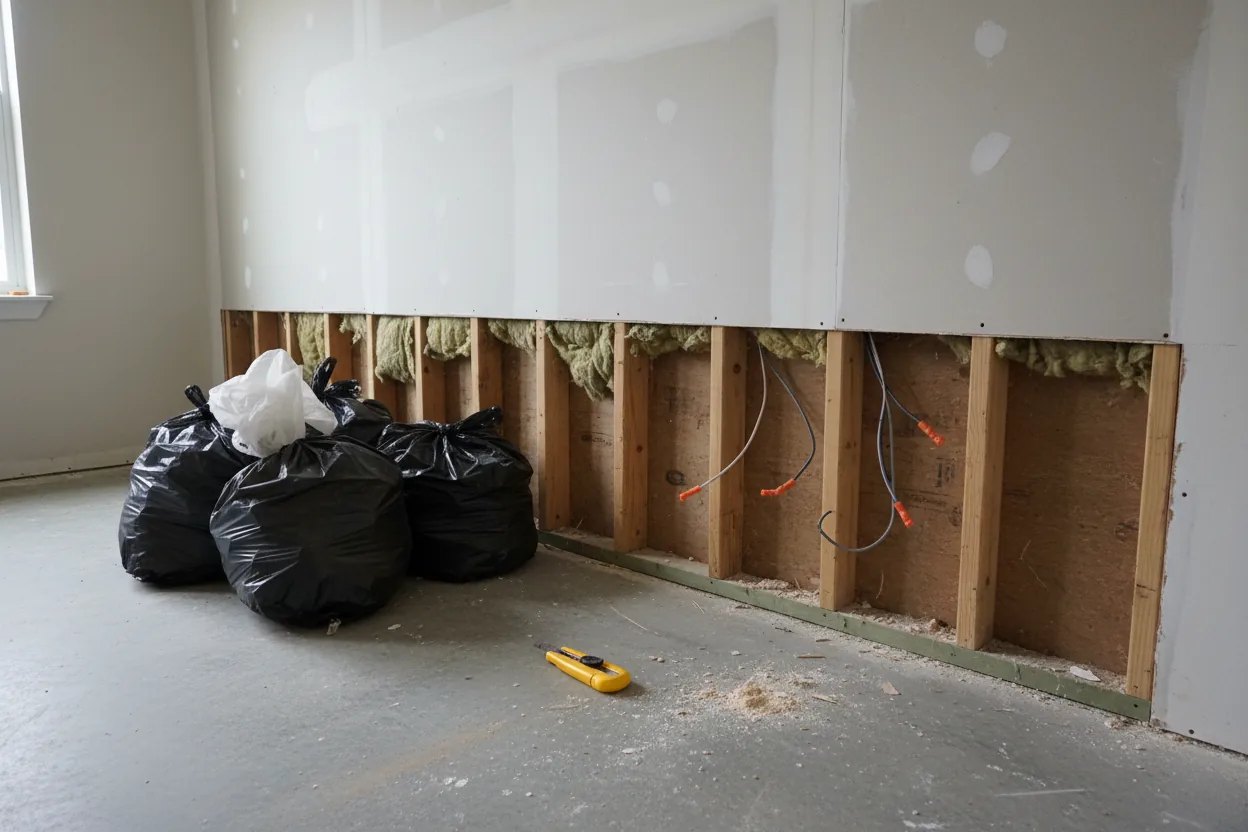
Cutting back to dry material
The industry calls it a flood cut, and where it lands is the entire craft of this step.
Setting the cut height by meter
The cut goes above the highest wet reading, not above the visible stain. Water wicks upward through gypsum well beyond where it discolours.
Cutting to a clean line for rebuild
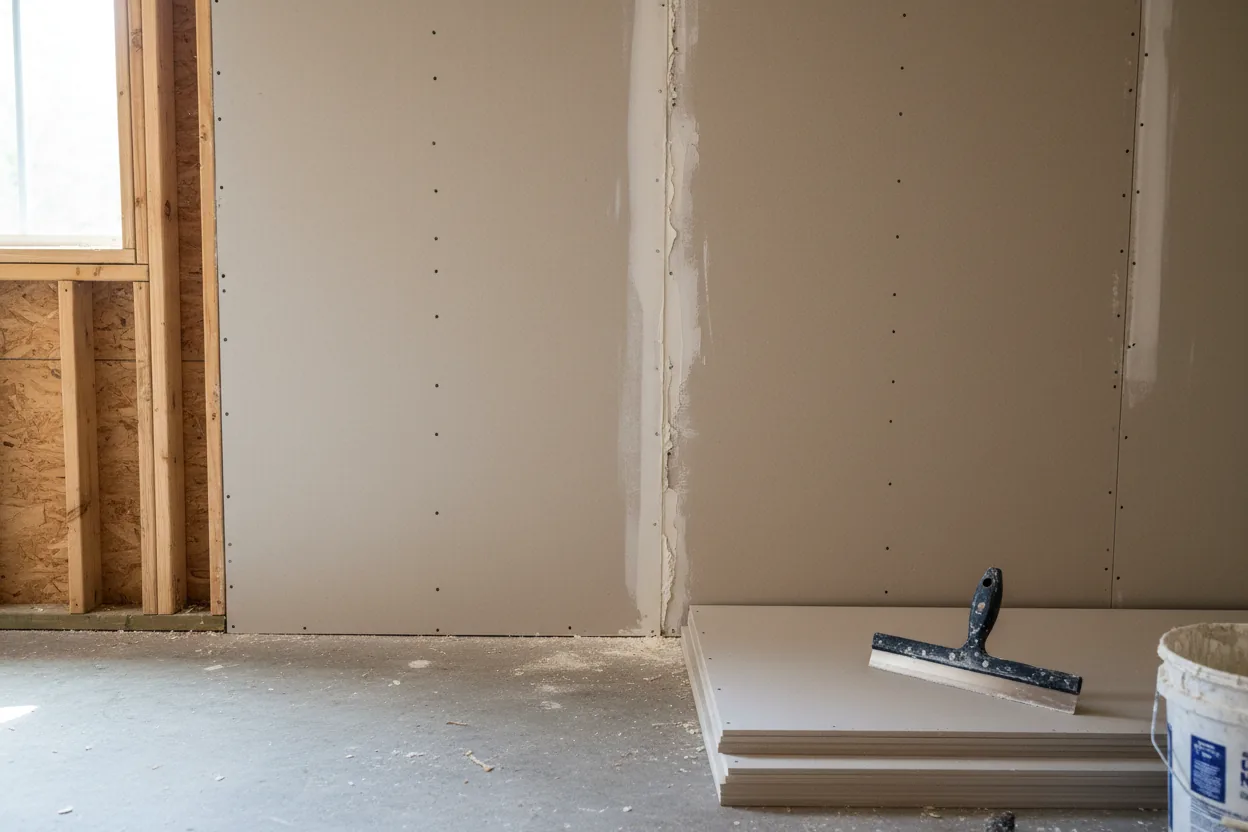
Cuts land at a consistent height and, where practical, at a stud line, so the replacement sheet has something to fasten to and the seam finishes invisibly.
Removing wet insulation behind the wall
Insulation in the opened cavity is removed rather than dried, since it holds moisture against framing and loses its performance permanently.
Drying the exposed cavity
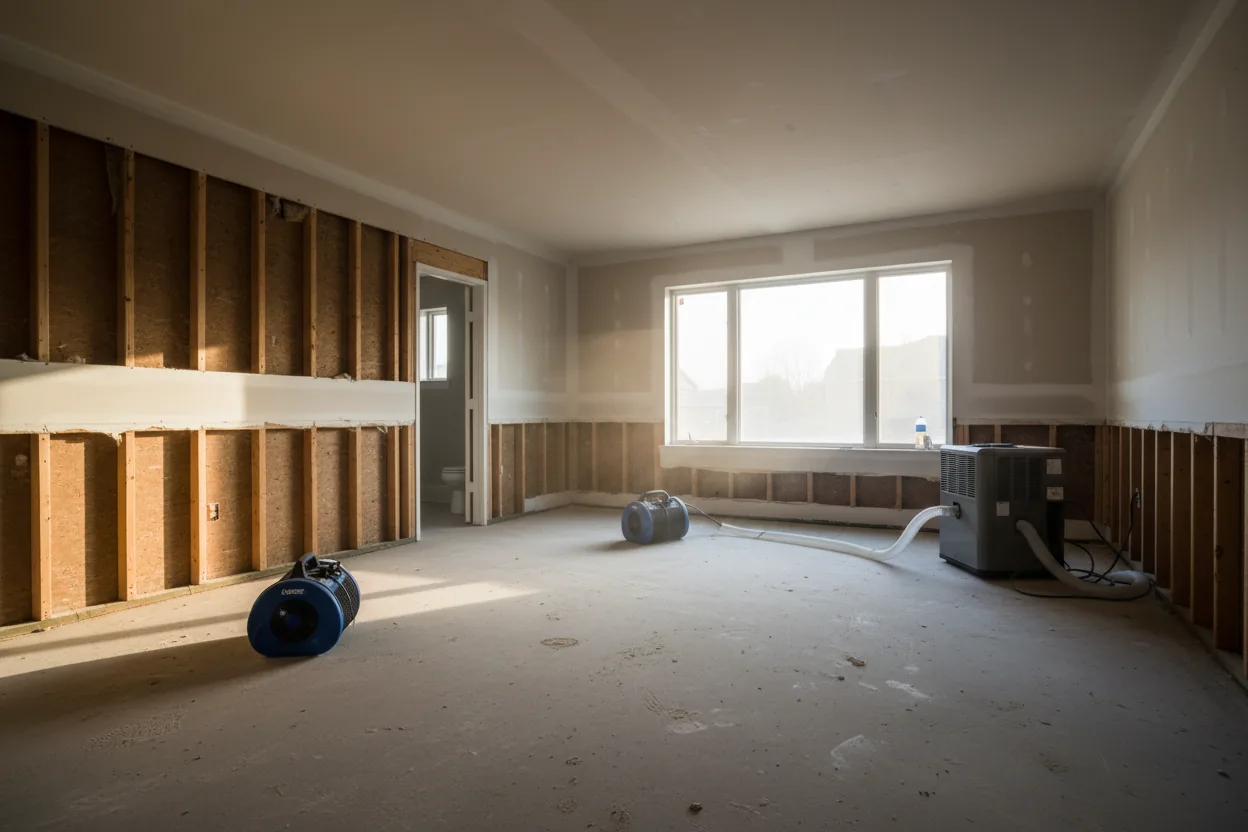
With the wall open, framing and the back of the opposite face are dried and read directly, which is faster and more certain than cavity injection.
Deciding whether to remove or dry in place
Drywall can often be dried in place, and where that is possible it is much cheaper. The decision turns on time, water category and whether insulation sits behind it.
When drywall can stay
Clean water, caught quickly, on an uninsulated interior partition is the best case, and cavity drying frequently saves the wall entirely.
When drywall comes out
Category three water, saturation past roughly 48 hours, or wet insulation behind an exterior wall all point to removal rather than drying.
Step by step
How removal runs
- Read the wall. Meters establish how high moisture has wicked, which sets the cut line.
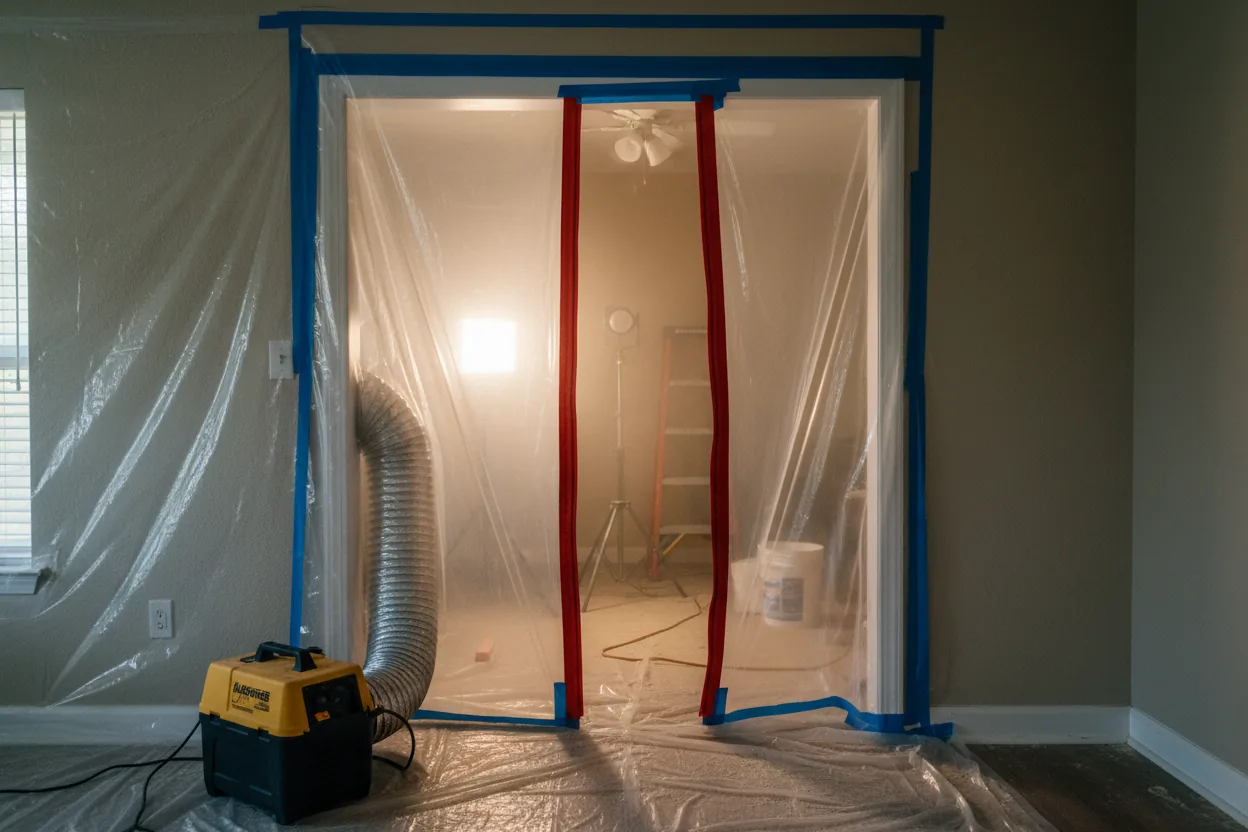
- Protect the surrounding area. Containment and floor protection so dust and debris stay in the work zone.
- Cut at a defensible height. A clean, consistent line above the highest wet reading, ideally landing where the rebuild can fasten.
- Remove insulation and debris. The cavity is cleared so it can dry and be inspected.
- Dry the open cavity. Framing is dried and read directly with the wall open.
Straight answers on price
What wet drywall removal costs
Removal is priced by linear foot and cut height, and it is inexpensive compared with the rebuild that follows. The rebuild is where the number grows.
| What drives the price | Why it moves the number |
|---|---|
| Cut height | A two-foot flood cut and a full-height removal are very different rebuild jobs, even though the removal labour differs less than you would expect. |
| Linear feet affected | Priced by run length. Water that traveled along a wall base can affect a long run while only ever being a few inches deep. |
| Insulation behind the wall | Exterior walls carry insulation that comes out with the drywall and is replaced, which interior partitions usually do not. |
| Disposal | Debris volume, and for category three water the disposal handling requirements, add to the line. |
| What is in the wall | Electrical and plumbing in the cavity slow the cut and occasionally require a licensed trade before the rebuild. |
Removal is mitigation and is normally covered on a sudden loss. Adjusters do sometimes question cut heights, which is exactly why the moisture readings that justified the line are recorded before the cut is made.
Questions people ask
Questions people ask
Why cut higher than the water line?
Because gypsum and its paper facing wick moisture upward well above where the wall visibly stains. Cutting at the stain leaves wet material in place behind new drywall, which is one of the most common causes of mold appearing in a repaired wall weeks later.
Can the drywall be dried instead of removed?
Sometimes, and where it is possible it is cheaper. Clean water, a fast response and an uninsulated interior wall is the best case. Category three water, long saturation, or wet insulation behind an exterior wall all point to removal.
Will I be able to see the repair afterwards?
Not if it is done properly. Cuts land at a consistent height and where possible at a stud, so the replacement sheet fastens cleanly and the seam is taped, floated and textured to match. Texture matching is the fiddly part, not the drywall itself.
Do you do the repair as well as the removal?
Yes. Removal and reconstruction sit with the same crew, which matters because the person who cut the wall knows exactly what was behind it, what was removed and whether the cavity read dry before it closed.
Keep reading
Related
Structural drying
Gainesville Rapid Water Damage dries Gainesville buildings to a documented moisture reading using air movers, dehumidifiers and...
Mold remediation
Gainesville Rapid Water Damage remediates mold growth that follows water damage in Gainesville and Alachua County buildings....
Water damage repair and reconstruction
Gainesville Rapid Water Damage rebuilds what the water and the mitigation removed, from drywall and trim through paint and...
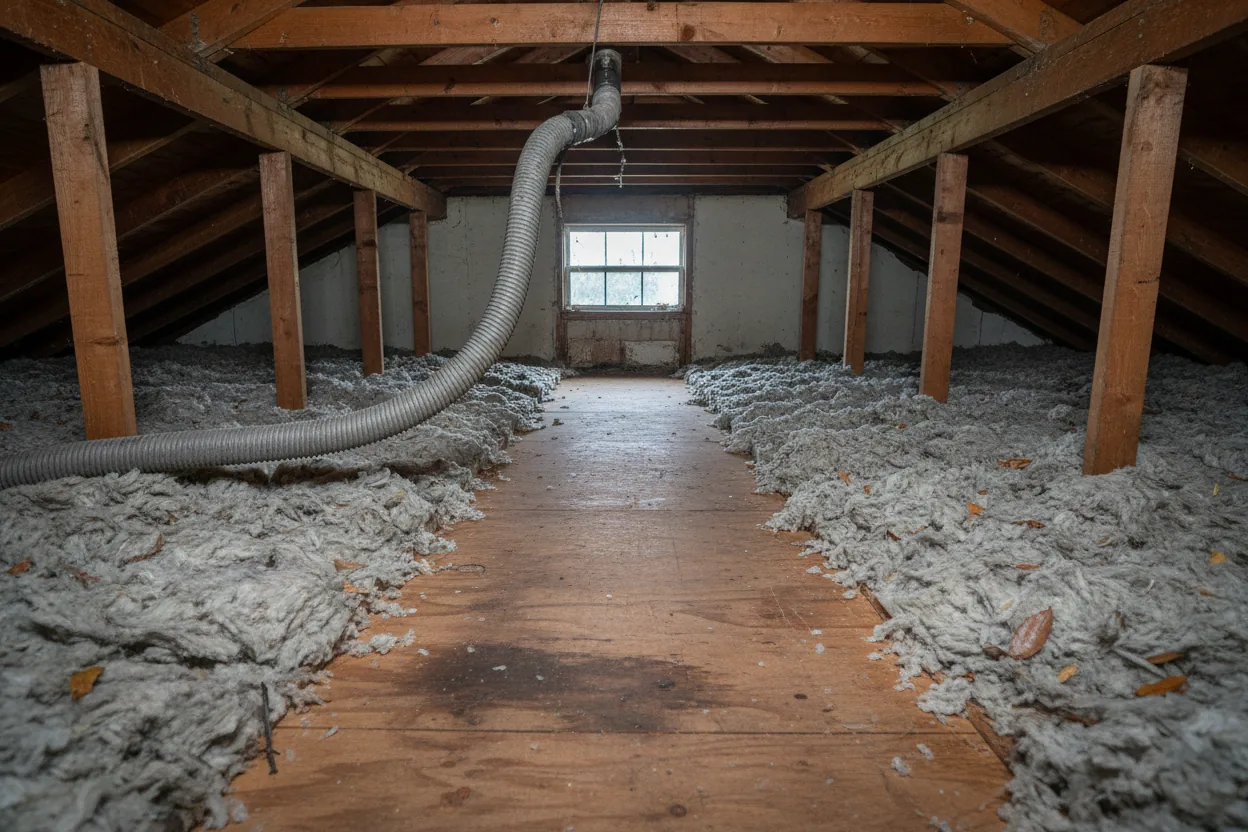
Wet insulation removal
Gainesville Rapid Water Damage removes saturated insulation from Gainesville attics, walls and floor systems. Wet insulation is...
Water still moving? Call now.
Every hour wet material stays wet, the repair gets bigger. Gainesville Rapid Water Damage answers 24/7 and books a free on-site assessment across Gainesville and Alachua County.
Call (352) 450-6122 Same-day response*